
Labour talks end without deal
The Government will send labour law changes to Parliament after talks with social partners failed to produce an agreement.

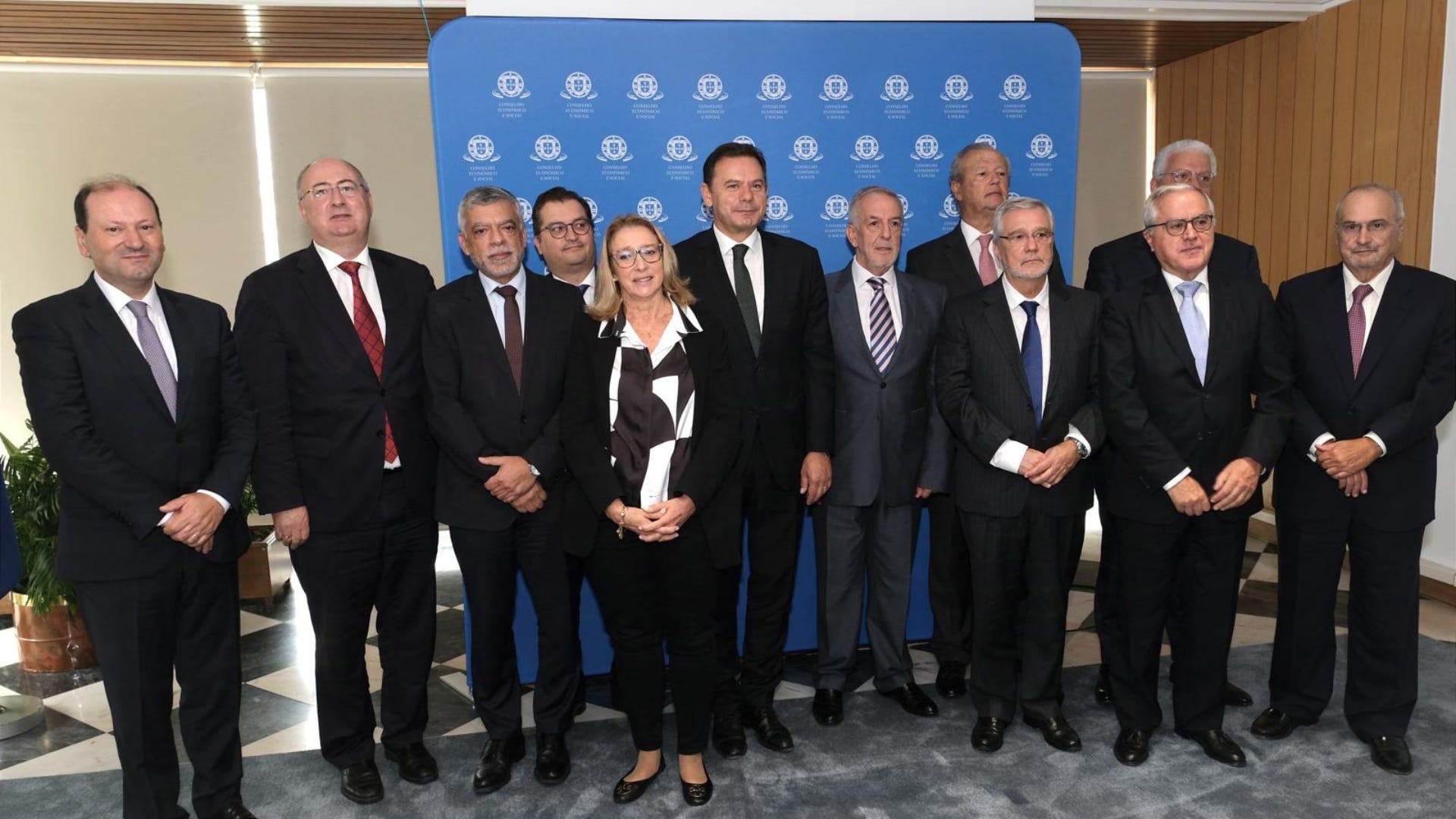
Negotiations over the labour package ended without agreement on Thursday, after the Government and social partners again failed to approve the proposed changes to the Labour Code.
The meeting at the Standing Committee for Social Concertation closed the negotiation process without a deal, meaning the proposal will now move to Parliament.
The Portuguese Business Confederation (Confederação Empresarial de Portugal, CIP) had on Wednesday presented concessions on five issues considered critical by the General Union of Workers (União Geral de Trabalhadores, UGT), but the employers’ confederation did not formalise those proposals during Thursday’s meeting.
The Government is now preparing to send Parliament a proposal that, by all indications, will be closer to the original version of the draft bill “Trabalho XXI”, submitted last July, without including all contributions made during the negotiation process.
Minister blames lack of movement
“We are closing the negotiation process in social concertation without it being possible to reach a successful outcome,” Labour Minister Maria do Rosário Palma Ramalho said after the meeting.
The minister placed responsibility on one of the social partners, saying that the UGT “did not give ground on any point” and had become “absolutely intransigent”.
Palma Ramalho also reiterated that neither the UGT nor the CIP, which on Wednesday had said it was willing to make concessions on the UGT’s so called “red lines” to enable an agreement, formalised any concrete proposal during Thursday’s meeting.
According to the minister, that absence of formal proposals dictated the conclusion of the negotiation process.
“The UGT has no more proposals to make, other than those already in social concertation and submitted at the proper time,” said Mário Mourão, secretary general of the UGT.
The union leader also confirmed that the CIP had not presented any formal proposal to the trade union confederation.
“The UGT accepts proposals in the forums where it has a seat, not through the media, and today nobody presented proposals here,” Mourão said, referring to the fact that the employers’ confederation had called a press conference to announce concessions.
Employers accuse UGT
CIP president Armindo Monteiro justified the absence of a formal proposal by saying that the employers’ confederation had directly asked the UGT during the meeting whether the five points on which it was willing to compromise would be enough for an agreement.
“They said no,” Monteiro said.
The issues at stake included outsourcing, individual working time banks, continuous training, non reinstatement after unlawful dismissals, and arbitration, all of which had been identified by the union confederation as critical throughout the negotiation process.
The leader of the industrial employers also said that the UGT presented a statement during the afternoon meeting and asked for it to be recorded in the minutes, listing 28 critical points.
“We entered the meeting to discuss five points and the document that was presented mentions more than 20,” Monteiro said.
“It is a never ending story,” he added, arguing that continuing the negotiations would mean repeating what had already happened in previous meetings.
Montenegro says Government will not retreat
On Wednesday night, hours before social partners returned to the negotiating table, Prime Minister Luís Montenegro again said the Government is committed to “concertation” and to transforming the country, and would therefore not give up on changing labour laws or pursuing other reforms he said the country needs.
Speaking at the 52nd anniversary celebration of the Social Democratic Party (Partido Social Democrata, PSD), Montenegro said the Government is recognised abroad “for combining lower taxes on labour income with higher wages”, arguing that this is why it will insist on the labour package as a way to make the country more productive.
“It is a Government that, obviously, will not give up,” Montenegro said.
“It will remain concentrated and focused on giving the country more tools to be productive and competitive, and it will not give up on making use of society’s potential,” he added.
The Prime Minister also warned social partners that, although the Government is committed to “dialogue” and “concertation”, that does not mean it will be endlessly flexible.
“We have already shown many signs of concession, many signs of compromise,” Montenegro said.
“What we cannot do is become hostage to intransigence or hostage to immobility, and for that they can count on a very active PSD, a very proactive PSD and a very combative PSD,” he warned.